
SEO Guides · 8 min read
How to Get Quality Backlinks for Free: 20+ Best Backlink Sites List (2026)
Updated On: May 27, 2026
You can publish great content and still struggle to rank because new websites usually have one major problem: no authority.
Without quality backlinks, Google often won’t trust a website enough to rank it above established competitors.
Most free link building advice is outdated, spammy, or unrealistic for beginners.
This guide breaks down how to get quality backlinks for free in 2026, where to find them, and which tactics still work.
Where to Get Free Backlinks
Free backlinks are still possible in 2026, but they are rarely truly free in terms of time and effort.
Typical sources include business and niche directories, community platforms, and product listing websites. Examples include platforms like Reddit, Quora, Medium, as well as startup and product directories such as Product Hunt, Crunchbase, or Capterra.
Business and Startup Directories
Business directories help companies build foundational backlinks and business visibility.
| Website | Best For | Example URL |
| Crunchbase | SaaS and startups | https://www.crunchbase.com/organization/sparktoro |
| Clutch | Agencies and service companies | https://clutch.co/profile/webfx |
| Capterra | SaaS product listings | https://www.capterra.com/p/147657/monday-com |
| DesignRush | Marketing and digital agencies | https://www.designrush.com/agency/profile/digital-silk |
| Tripadvisor | Local businesses and hotels | https://www.tripadvisor.com/Hotel_Review-g25055825-d15122249-Reviews-Emerald_Faarufushi_Resort_Spa-Faarufushi.html |
Profile Backlinks
Profile backlinks are useful for new websites, freelancers, agencies, and personal brands that want diversified branded backlinks and indexed profile pages.
| Website | Best For | Example URL |
| About.me | Personal brands and freelancers | https://about.me/erinpaulson |
| Linktr.ee | Social profile links | https://linktr.ee/erinpaulsonsv |
| Brand and ecommerce visibility | https://www.pinterest.com/erinpaulsonsv | |
| Gravatar | Author profile backlinks | https://gravatar.com/happily8bfbf51491 |
| Featured | Expert profile mentions | https://featured.com/p/erin-paulson |
Q&A Platforms
Q&A platforms work best for contextual backlinks, referral traffic, and answering niche-specific questions where links appear naturally inside discussions.
| Platform | Best For | Example URL |
| Contextual discussions and referral traffic | https://www.reddit.com/r/travel/comments/1tp4ljp/hiking_conditions_to_mulhacen_spain | |
| Quora | Answer-based contextual backlinks | https://rashadprym.quora.com/Top-10-Best-Luxury-Hotels-in-Singapore |
| BlackHatWorld | SEO and marketing discussions | https://www.blackhatworld.com/seo/is-reddit-traffic-actually-converting-for-anyone-in-2026.1818182/ |
Web 2.0 Sites
Web 2.0 sites allow users to publish content with contextual backlinks inside articles and author profiles.
| Website | Best For | Example URL |
| Medium | Publishing SEO and blog articles | https://medium.com/@searchenginevisibility/the-seo-productivity-stack-agencies-use-in-2026-9a7076c00353 |
| Just Paste Me | Simple indexed pages with backlinks | https://justpaste.me/Dolr5 |
| Tumblr | Blog-style content and niche publishing | https://www.tumblr.com/growthstackseo/817055083132043264/seo-productivity-trends-in-2026?source=share |
Image Sharing Platforms
Image-sharing platforms help brands get backlinks through image posts, profile pages, and visual content.
| Platform | Best For | Example URL |
| Blog and ecommerce traffic | https://www.pinterest.com/pin/1093319247080860548 | |
| Unsplash | Photographer and creator profiles | https://unsplash.com/id/@slidebean |
| Behance | Designer portfolios | https://www.behance.net/elonicosbest/services |
Video Sharing Platforms
Video-sharing platforms help brands place backlinks in video descriptions and creator profiles.
| Platform | Best For | Example URL |
| Vimeo | Video portfolio backlinks | https://vimeo.com/1146531636 |
| YouTube | Video descriptions and referral traffic | https://youtu.be/4KJ5TcdyyQ4?si=4hpbXeeKaqJbivFq |
| Dailymotion | Video content distribution | https://www.dailymotion.com/video/xaa1kuk |
Review and Rating Platforms
Review platforms help businesses build trust signals, branded mentions, and profile backlinks.
| Platform | Best For | Example URL |
| Trustpilot | Brand trust and customer reviews | https://www.trustpilot.com/review/similarweb.com |
| Product Hunt | SaaS launches and product visibility | https://www.producthunt.com/products/wisperseo |
| SourceForge | Software and SaaS listings | https://sourceforge.net/software/product/Grammarly |
Document and PDF Sharing Platforms
Document-sharing platforms help distribute guides, presentations, and PDFs with backlinks.
| Platform | Best For | Example URL |
| SlideShare | Presentations and educational content | https://www.slideshare.net/slideshow/advanced-tactics-for-using-ai-tools-big-data-analysis-to-improve-eeat/260997552#113 |
| Scribd | PDF and document distribution | https://www.scribd.com/document/143999325/Beginner-Guide-to-SEO |
| Issuu | Digital magazines and reports | https://issuu.com/scenicus |
Advanced Backlink Strategies
Digital PR
Digital PR helps brands earn backlinks from news websites, industry publications, and expert roundups.
This approach typically involves responding to journalists’ requests, contributing expert commentary, and providing data-driven insights for media articles. Commonly used platforms include services like HARO, Qwoted, or Connectively, where journalists actively look for expert input.
Best for: SaaS companies, agencies, finance brands, and businesses with strong industry expertise.
Linkable Assets
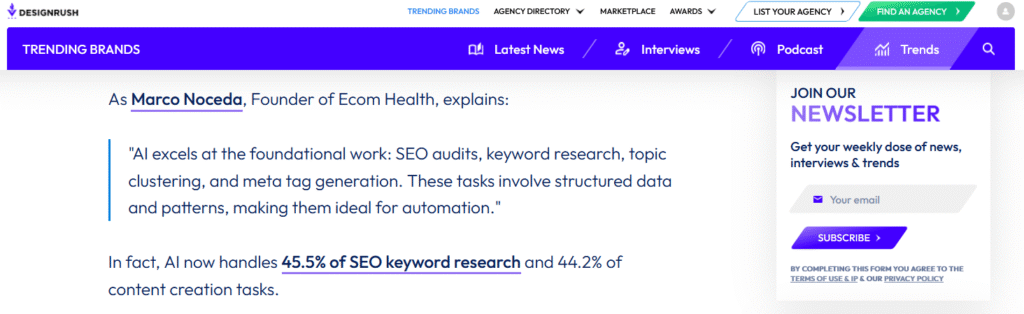
Content assets such as original research, industry statistics, free tools, and benchmark reports attract backlinks more consistently than generic blog posts. Pages with unique data are easier for journalists, bloggers, and creators to reference and cite in their own content.
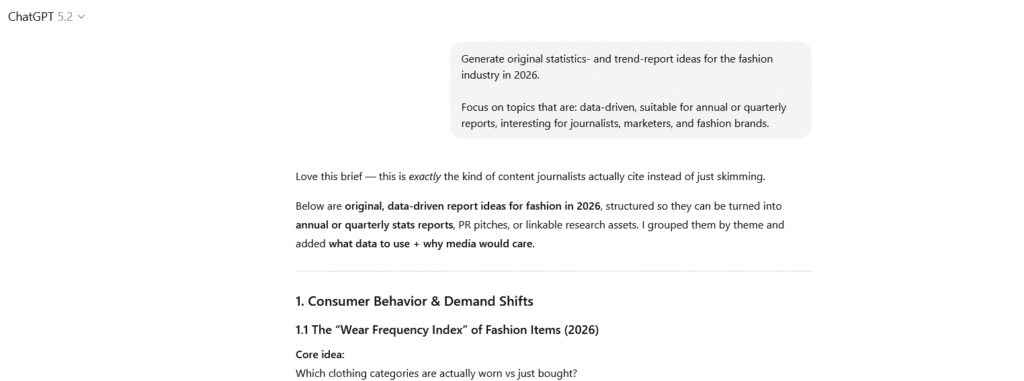
Press releases are often used to distribute original research to a wider audience. When research findings are packaged as verified, factual announcements, they can be picked up by media outlets, journalists, and industry blogs, increasing the chances of citations, brand mentions, and secondary links.
Guest Posting
Guest posting still works when backlinks are placed naturally inside relevant articles on trusted websites. The most effective guest posts focus on useful contributions, niche relevance, and contextual mentions instead of keyword-heavy anchor text or mass outreach campaigns.
Finding guest posting opportunities usually starts with targeted search queries rather than generic outreach. Analyzing competitors with a free backlink checker can also help uncover websites that already link to similar businesses and may be open to guest contributions. Before pitching, evaluate each website’s traffic, relevance, and overall SEO metrics.
Unlinked Brand Mentions
Brand mentions on blogs, forums, podcasts, YouTube channels, and news websites can strengthen visibility even without direct backlinks. Many businesses later convert these mentions into backlinks through outreach and relationship building.
To monitor brand mentions, many teams use tools such as Google Alerts for basic tracking or specialized monitoring platforms like Alertmouse for deeper visibility.
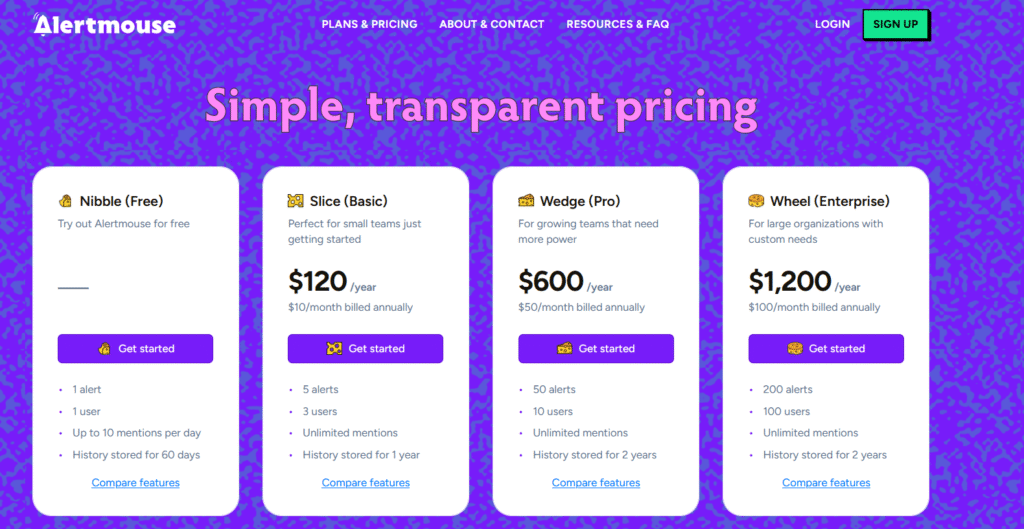
In 2026, backlink strategies should actively track and influence brand mentions, not just links.
Final Thoughts
Free backlinks still work in 2026, especially for new websites that need foundational authority and brand visibility.
The most effective approach is combining foundational backlinks from directories, profiles, and community platforms with higher-quality contextual links from guest posts, digital PR, and industry mentions.
Focus on relevant platforms, complete profiles properly, and prioritize backlinks that place your brand inside real discussions and trusted websites.

